

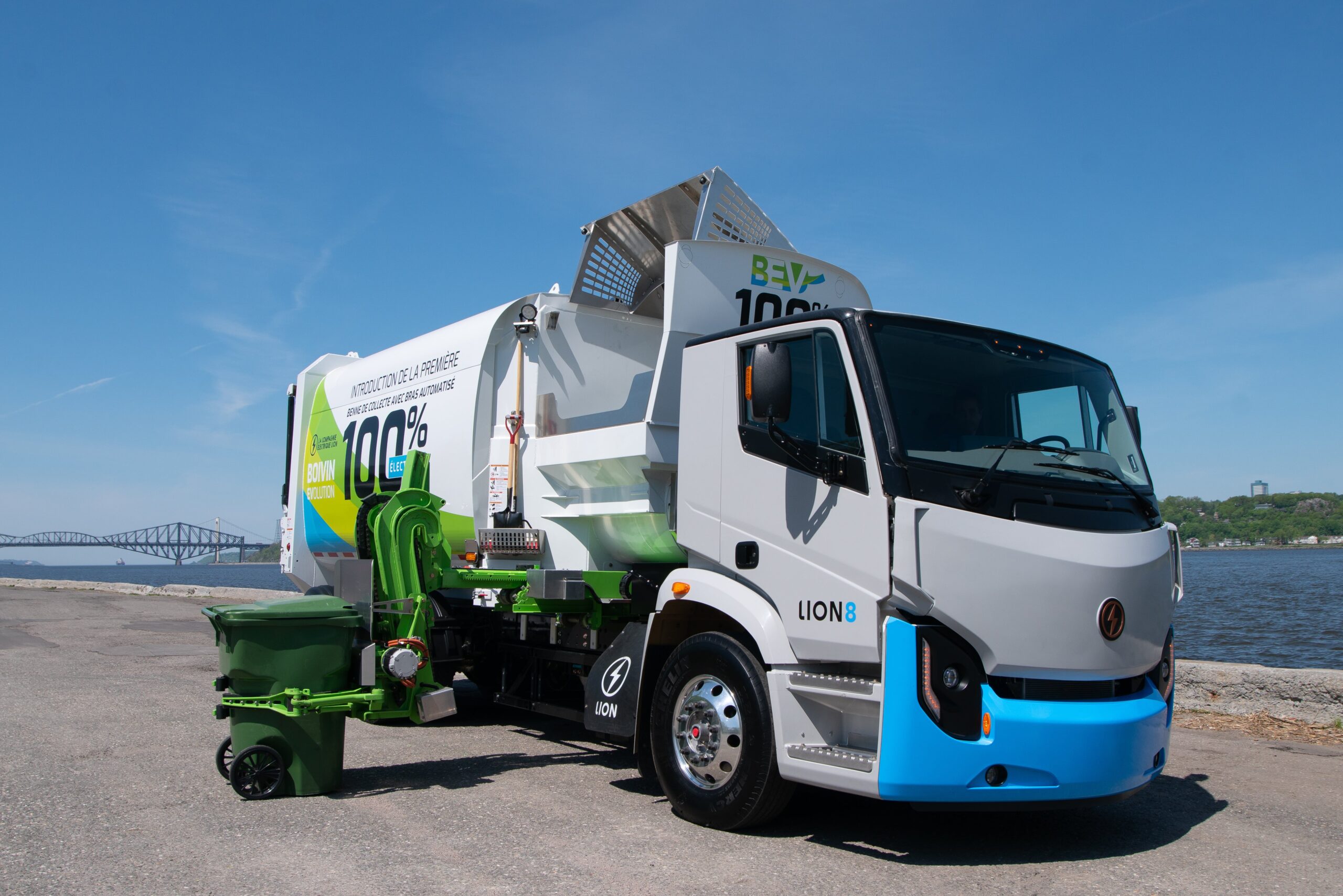

Electric garbage trucks, tankers, and municipal vehicles are transforming public services worldwide. Discover the TCO benefits, infrastructure needs, and how CL Group supports your EV transition.
Introduction
As global cities tighten emissions regulations, the shift from diesel to electric special vehicles is no longer a question of “if,” but “when.” For fleet operators, this transition offers significant long-term benefits. But is your organization ready for the change?
Why Switch to Electric Special Vehicles?
1. Lower Operating Costs (TCO)
While the upfront cost of electric vehicles (EVs) may be higher, the Total Cost of Ownership is often lower. Electricity is cheaper than diesel, and EVs have fewer moving parts, reducing maintenance costs by up to 40%.
2. Regulatory Compliance
Many cities are introducing Low Emission Zones (LEZ). Operating zero-emission vehicles ensures your fleet remains compliant and avoids fines.
3. Noise Reduction
Electric motors operate quietly, making them ideal for waste collection or municipal work in residential areas during early morning or night hours.
Addressing Common Concerns
“What about range?”
Modern battery technology has improved significantly. CL Group’s electric special vehicles are engineered with optimized battery management systems to handle typical daily municipal routes.
“What about charging infrastructure?”
We assist clients in assessing charging needs. For many municipal applications, overnight depot charging is sufficient.
“Is the technology reliable?”
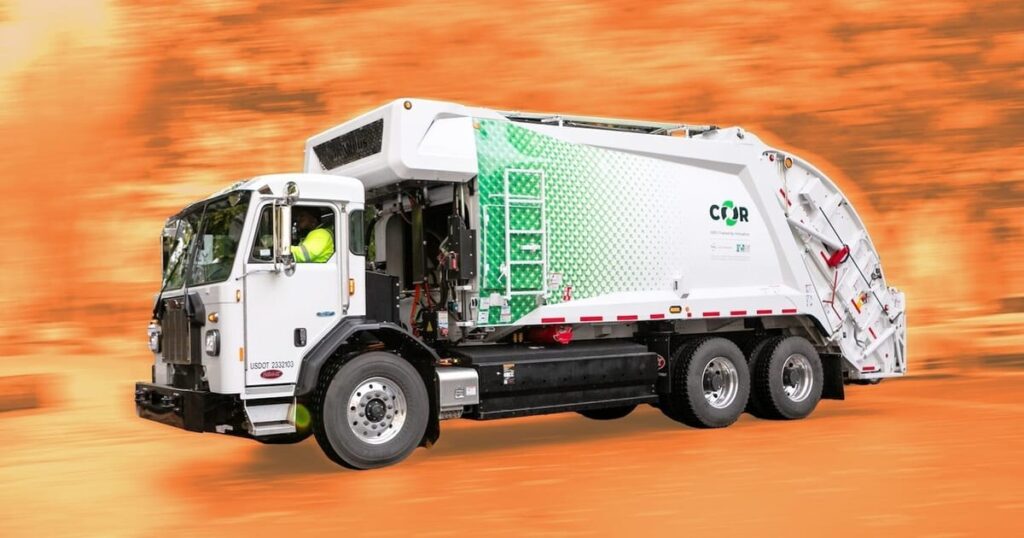
CL Group invests heavily in R&D for new energy vehicles. Our electric garbage trucks and water bowser trucks are already deployed successfully in markets like the Philippines and China.
CL Group’s New Energy Portfolio
We offer a range of eco-friendly solutions:
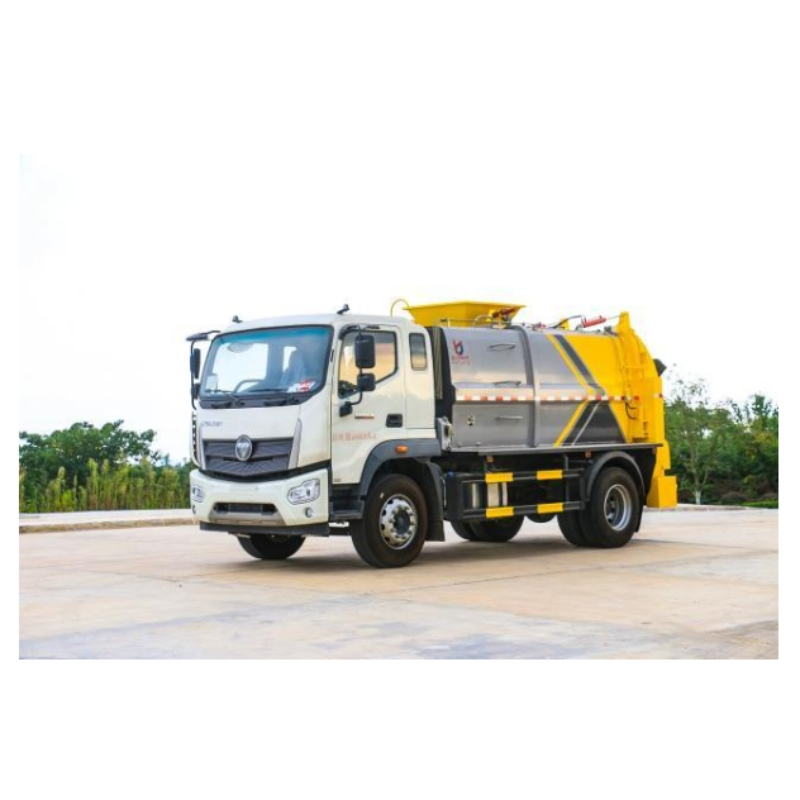
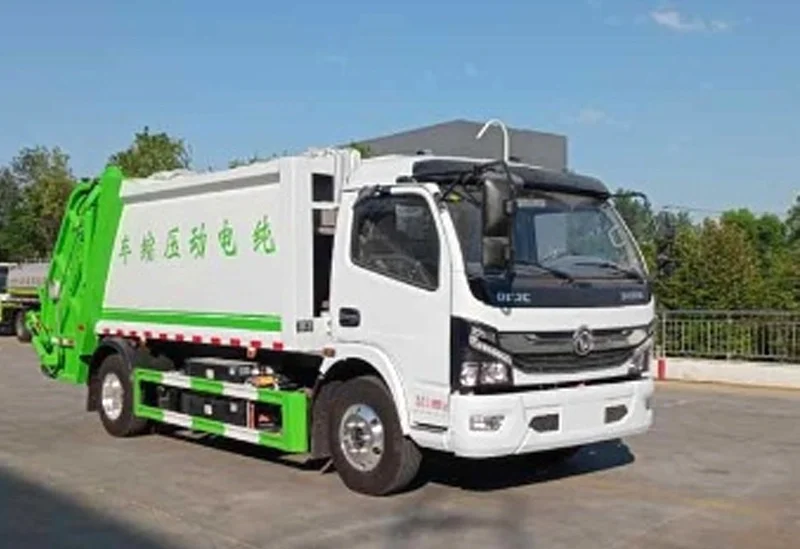
- Electric Garbage Compactor Trucks: Zero emission, low noise.
- Battery-Electric Water Bowser Trucks: Ideal for street cleaning.
- Hybrid Fuel Tankers: A transitional solution for markets evolving their infrastructure.
Conclusion
The future of special vehicles is electric. Transitioning now positions your organization as a leader in sustainability while locking in lower operational costs.